English
Is 304 Stainless Steel Food Grade? We Explain What You Need to Know
Created on 03.16
We often wonder about the safety of our pots and pans. Choosing the right materials is crucial for every home cook. Our health depends on the quality of surfaces touching our meals.
is 304 stainless steel food grade
Making smart choices means knowing what's in our products. Professional chefs choose specific alloys for their durability. We want everyone to feel confident when cooking dinner.
Exploring food grade stainless steel helps us make better choices. This alloy is durable and resists oxidation well. It's common in many commercial kitchens.
Understanding if is 304 stainless steel food grade means looking at its makeup. Many experts trust this metal for its reliability. We're here to guide you through the facts.
Safety is our main concern in the kitchen. Finding durable tools keeps our family safe. We'll look at how these metals react with different liquids.
Key Takeaways
- Safe for direct contact with various ingredients.
- Excellent resistance to rust and corrosion.
- Commonly used in household and commercial appliances.
- Easy to clean and maintain for daily use.
- Strong durability ensures a long lifespan for cookware.
- Meets strict safety standards for kitchen environments.
What Does "Food Grade" Mean for Stainless Steel?
The term "food grade" is often used for stainless steel in the food industry. But what does it really mean? It means the steel meets strict standards for safety in food processing, preparation, and storage.
To be "food grade," stainless steel must meet certain certification standards. It also needs properties that prevent contamination and last long.
Understanding Food Grade Certification Standards
Certification standards for food grade stainless steel are key. They ensure the material is safe and works well in food contact situations.
FDA Regulations for Food Contact Surfaces
The FDA has rules for materials in contact with food, including stainless steel. These rules help stop harmful substances from getting into food. Stainless steel must follow FDA guidelines to be food grade.
- Must be non-toxic and non-reactive
- Must not impart flavors or odors to food
- Must be durable and resistant to corrosion
NSF International Standards and Testing
NSF International sets standards for food handling and preparation products. NSF certification means stainless steel products meet high safety and performance standards. NSF tests the material's corrosion resistance, durability, and cleaning ability.
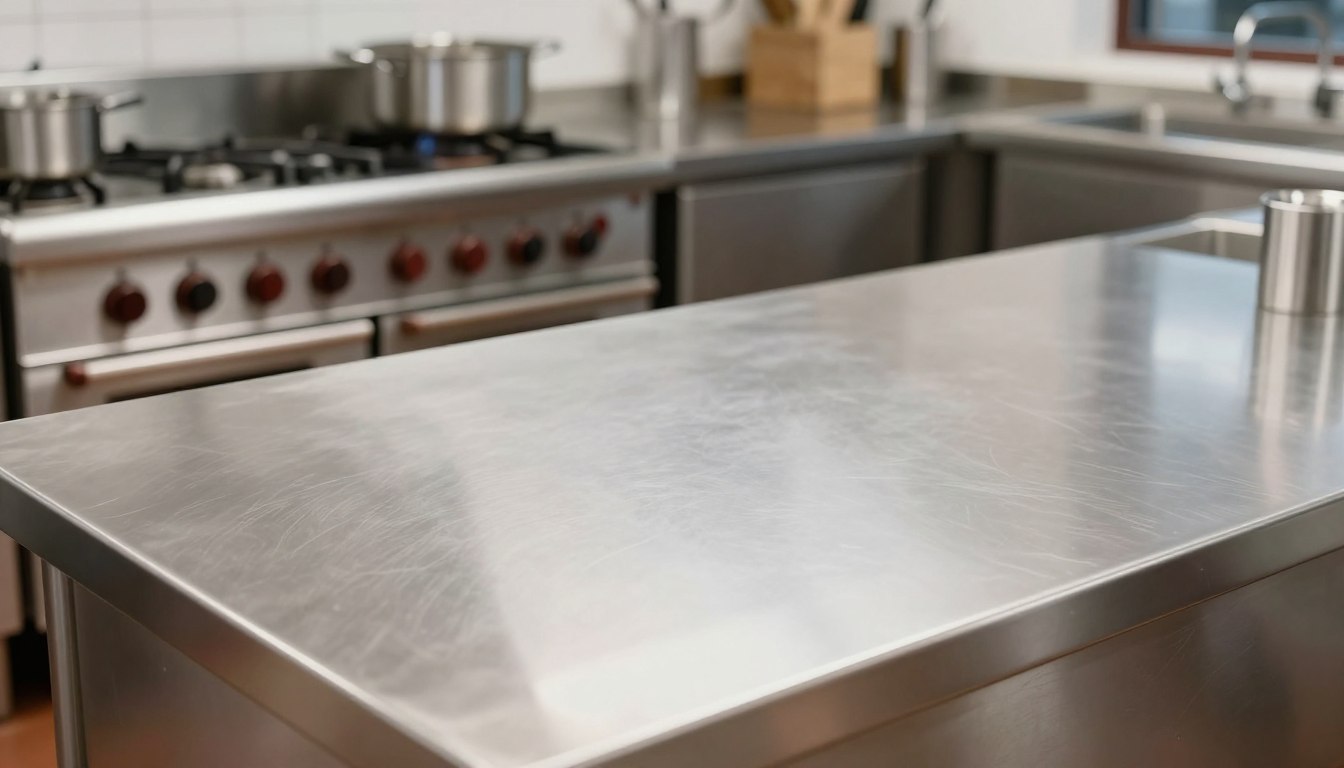
A gleaming, food-safe 304 stainless steel surface dominates the foreground, showcasing its smooth, brushed finish that reflects light in a subtle, elegant manner. Juxtaposed against this, a professional kitchen setting is visible in the middle ground, featuring clean, modern appliances and utensils, all made of stainless steel, arranged neatly. The background captures a bright, well-lit kitchen with warm, inviting tones, highlighting the importance of cleanliness and safety in food preparation environments. Soft, diffused lighting enhances the gleam of the stainless steel while casting gentle shadows, creating a professional yet homely atmosphere. The angle is slightly above eye level to provide a comprehensive view of the stainless steel surfaces, emphasizing their role in food safety and hygiene.
Key Properties That Make Stainless Steel Food Safe
Several properties make stainless steel safe for food contact.
Non-Reactive Surface Requirements
A non-reactive surface is crucial to prevent chemical reactions with food. Stainless steel's non-reactive nature ensures it doesn't add unwanted flavors or chemicals to food.
Corrosion Resistance Standards
Corrosion resistance is vital for food grade stainless steel. It must withstand various foods, cleaning agents, and conditions without degrading.
Easy-to-Clean and Sanitize Characteristics
Easy cleaning and sanitizing are key for hygiene in food preparation. Stainless steel's smooth surface makes cleaning and sanitizing easy, reducing bacterial risk.
- Resistant to scratches and cracks where bacteria can hide
- Can handle high temperatures in sanitization
- Remains strong through repeated cleaning and sanitizing
Is 304 Stainless Steel Food Grade?
Many people wonder if 304 stainless steel is safe for food. We're here to clear up any confusion. Safety and following rules are key when using materials with food.
The Definitive Answer: Why 304 is Considered Food Grade
304 stainless steel is seen as safe for food because it doesn't corrode or break easily. These traits make it perfect for making food equipment, tools, and containers.
The chromium and nickel in 304 stainless steel help it resist corrosion. This means it won't harm food or pass on bad stuff.
Official Certifications and Approvals for 304 Stainless Steel
To be food grade, materials must meet certain rules. 304 stainless steel has many certifications that prove it's safe for food use.
FDA Compliance Status
The FDA has rules for materials in contact with food. 304 stainless steel meets FDA standards. This makes it good for food processing and handling gear.
NSF Certification for Food Equipment
NSF International is a group that checks the safety and quality of products, including food equipment. Many makers of 304 stainless steel get NSF certification. This shows they follow the standards.
What Makes 304 Different from Non-Food-Grade Metals
304 stainless steel doesn't have harmful stuff like lead or cadmium. It's non-reactive, so it won't change the taste or contaminate food.
Its toughness, resistance to corrosion, and meeting food safety rules make 304 stainless steel a top pick for food use.
Understanding 304 Stainless Steel Composition and Properties
304 stainless steel is a top pick for food prep and handling. It's known for fighting off corrosion and lasting long, key for keeping food safe and equipment in good shape.
Chemical Composition of 304 Stainless Steel
304 stainless steel is a mix of metals, mainly iron, chromium, and nickel. The exact amounts of these metals are what make it special.
Chromium Content and Its Role
Chromium is a big player in fighting off corrosion. 304 stainless steel has at least 18% chromium. This chromium creates a protective layer that keeps rust and corrosion away.
Nickel Content for Enhanced Corrosion Resistance
Nickel boosts the alloy's ability to resist corrosion and makes it easier to shape and weld. 304 stainless steel usually has about 8% nickel. This balance of cost and quality is key.
"The presence of chromium and nickel in 304 stainless steel not only enhances its corrosion resistance but also its aesthetic appeal, making it a versatile material for various applications."
How 304 Compares to Other Food-Safe Stainless Steel Grades
Choosing the right stainless steel for food is crucial. 304, 316, and 430 are common choices, each with its own benefits.
304 vs 316 Stainless Steel for Food Applications
316 stainless steel has molybdenum, which makes it even better at fighting off corrosion, like from chlorides. 316 is best in places with lots of salt, like near the ocean or with salty foods.
Grade | Chromium Content | Nickel Content | Molybdenum Content |
304 | 18% | 8% | 0% |
316 | 16-18% | 10-14% | 2-3% |
430 | 16-18% | 0.75% | 0% |
304 vs 430 Stainless Steel in Food Environments
430 stainless steel is cheaper but not as good at fighting corrosion or shaping. It's used in simpler tasks or where looks don't matter as much.
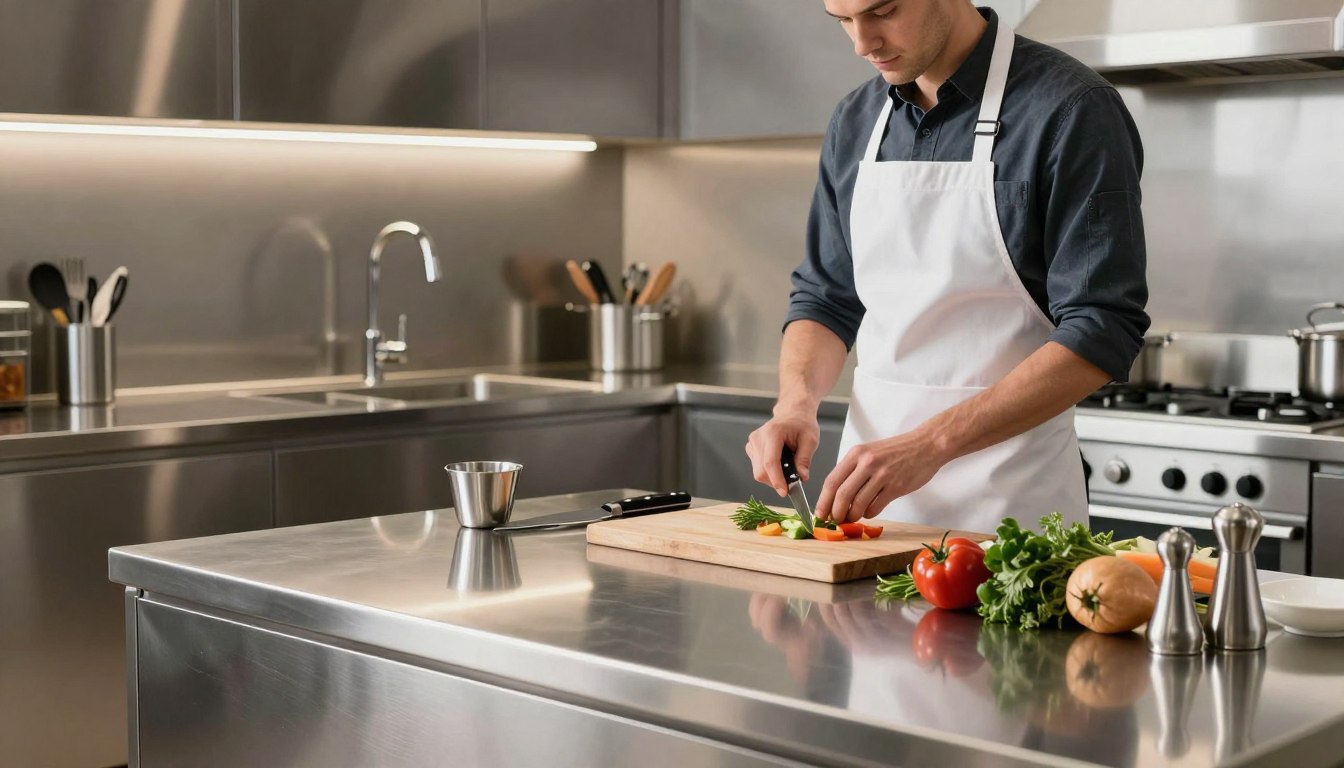
A sleek, modern kitchen environment featuring a stainless steel food preparation area, emphasizing 304 stainless steel surfaces. In the foreground, a polished stainless steel countertop gleams under soft, diffused lighting, showcasing an array of high-quality kitchen utensils; including a chef's knife, cutting board, and fresh ingredients like vegetables and herbs. The middle ground displays a minimalist stainless steel sink with a stylish faucet, and a professional chef wearing a crisp white apron and business casual clothing, meticulously preparing food. The background includes stainless steel cabinets and efficient storage solutions, creating a clean, organized atmosphere. The image captures a sense of efficiency and professionalism, accented by warm lighting that highlights the stainless steel's lustrous finish, inviting viewers to appreciate both the material and its culinary applications.
Durability and Longevity in Food Contact Applications
304 stainless steel is very durable in food use. It withstands wear and tear, keeping its quality over time. This is vital for keeping food safe.
Knowing about 304 stainless steel helps both makers and users. It ensures food safety and efficiency in food prep and handling.
Common Applications and Best Practices for 304 Stainless Steel in Food Settings
In both commercial and home kitchens, 304 stainless steel is a top choice. It's safe and lasts a long time. It also resists corrosion and can handle tough cleaning.
Commercial Food Industry Applications
The food industry loves 304 stainless steel. It's used in many places where food touches it.
Food Processing Equipment and Machinery
304 stainless steel is great for making food processing equipment. It's durable and easy to clean. This includes commercial mixers, blenders, and cooking equipment that work hard every day.
Commercial Kitchen Surfaces and Countertops
In commercial kitchens, 304 stainless steel is the go-to for surfaces and countertops. It's a non-porous, easy-to-clean surface that fights off bacteria. For more info, check out our guide on food-grade stainless steel.
Residential Kitchen Uses
In home kitchens, 304 stainless steel is also a favorite. It's practical and safe.
Cookware and Utensils
Many people choose 304 stainless steel for cookware and utensils. They're tough, won't scratch or corrode, and easy to clean. They're a smart pick for everyday use.
Food Storage Containers and Appliances
304 stainless steel is also used in food storage and appliances. Its non-reactive properties keep food taste and quality safe. This means safer, longer-lasting food storage for homes.
Proper Maintenance for Food Safety
To keep 304 stainless steel safe and lasting in food settings, proper care is key.
Cleaning and Sanitizing Guidelines
Clean it regularly with mild detergents and sanitize with the right solutions. Avoid harsh cleaners or scrubbers that can damage it.
Preventing Contamination and Corrosion
After cleaning, dry 304 stainless steel surfaces to avoid water spots and corrosion. Regular checks can spot wear or damage early.
Conclusion
We've looked into whether 304 stainless steel is good for food use. It's clear that it's safe for food contact. It's strong and doesn't rust easily, making it a top pick for kitchens everywhere.
304 stainless steel has the right certifications for food safety. Knowing its benefits and how to take care of it, you can trust it for your food needs.
Choosing 304 stainless steel for your kitchen is a smart move. It lasts a long time and is easy to clean. It's a favorite for those who want a safe and lasting option.
FAQ
Is 304 stainless steel food grade and safe for my kitchen?
Yes, 304 stainless steel is widely recognized as food grade. It's known for its high resistance to rust and corrosion. This makes it a top choice for both professional kitchens and home cookware.
What official standards confirm that a material is a stainless steel food contact material?
To be approved for the stainless steel food industry, a material must meet FDA regulations. It also needs a stainless steel food grade certification from NSF International. These organizations test to ensure the metal won't leach harmful chemicals into your ingredients.
Why is stainless steel grade 304 preferred over other types of metal?
We prefer stainless steel grade 304 because of its unique composition. It has 18% chromium and 8% nickel, which provides a strong barrier against oxidation. This makes it non-reactive, ensuring the flavor and color of acidic foods won't change.
How does 304 compare to 316 when looking for food safe stainless steel?
While 304 stainless steel is the most common food grade, 316 is also safe for food. We recommend 316 for high-salt environments or coastal areas because it has extra protection against chlorides. But for most food preparation and storage, 304 is the standard.
What are the best practices for cleaning 304 stainless steel to maintain food safety?
To keep your food contact material safe, clean it regularly with warm water and mild detergents. Avoid using steel wool or harsh bleach, as they can damage the protective chromium layer. Brands like Bar Keepers Friend are great for sanitizing without scratching the finish.
Can we use 304 stainless steel for long-term food storage?
Absolutely! We highly recommend 304 stainless steel for storage. It's durable, easy to sanitize, and doesn't harbor bacteria as easily as plastic. Many top brands, like YETI or Klelean Kanteen, use this grade for keeping food and drinks fresh and uncontaminated.


